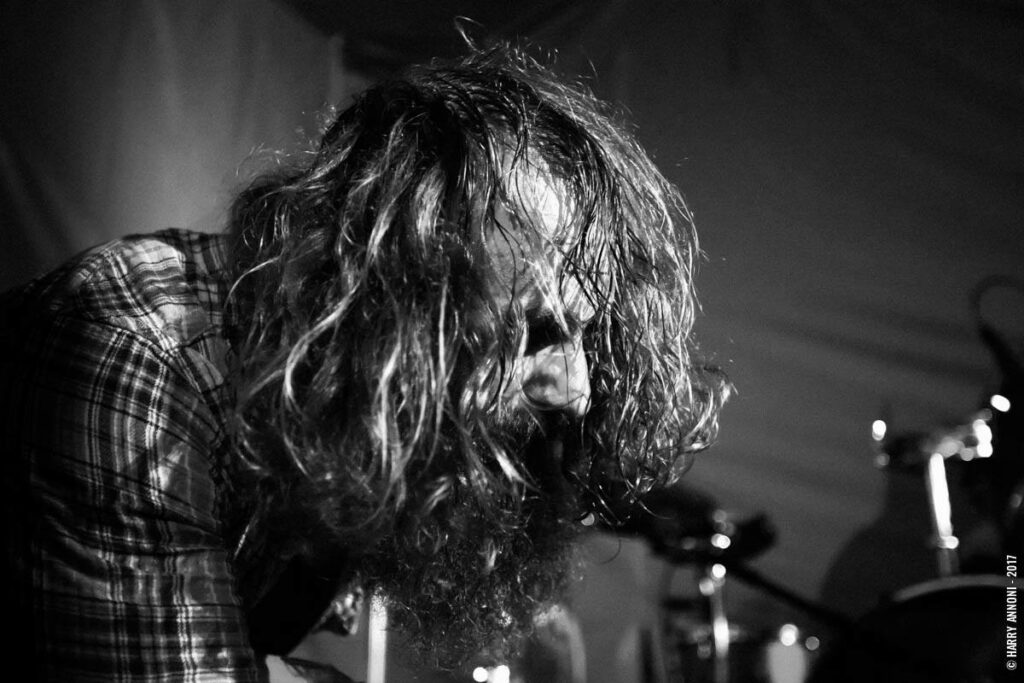
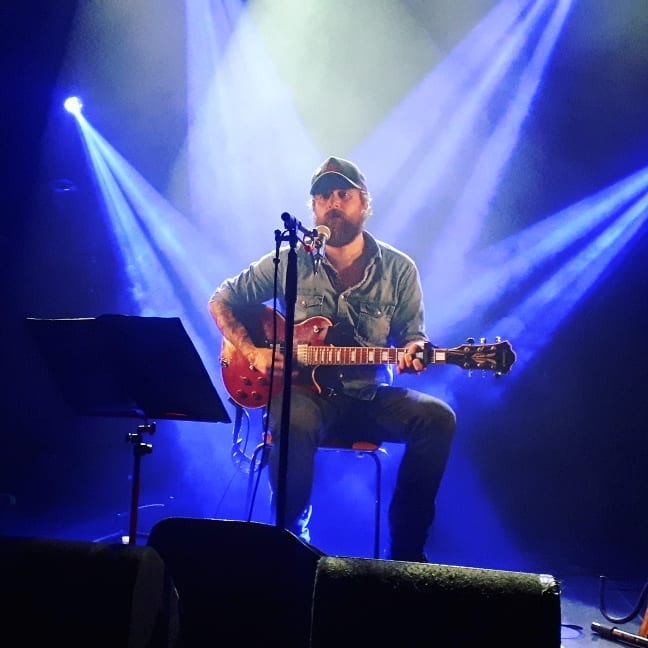
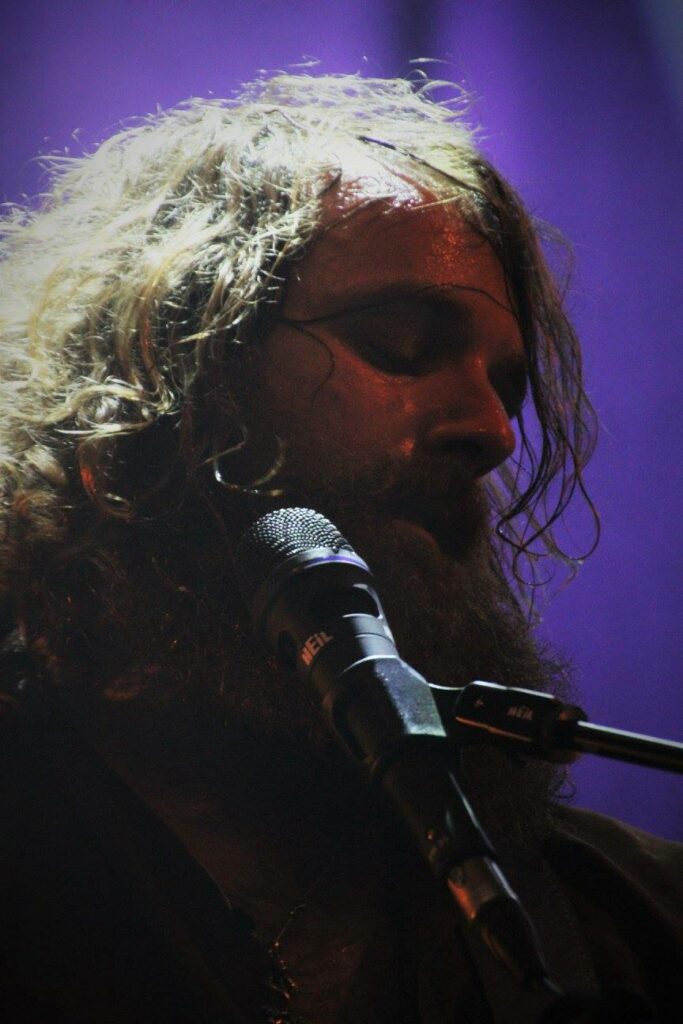
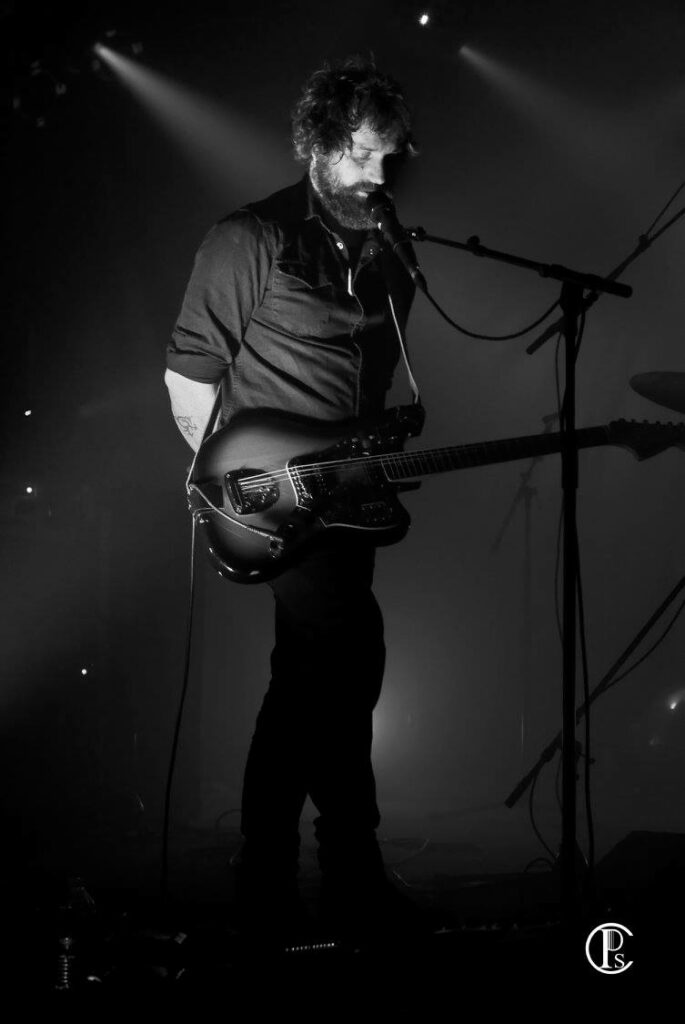
FR// Butch McKoy, c’est un homme seul et parfois en duo ou en trio.
Qu’il opère en solo ou en duo (notamment avec Lionel Naudon de Lab° depuis 2015), Butch approche la scène comme un amplificateur des compositions des disques : l’évasion, les tensions, l’amertume, la rage, la mélancolie, l’espérance se retrouvent accentuées. Le spectateur est emmené dans un voyage sonore cathartique.
La musique de Butch McKoy, faite de guitare, de violoncelle, de banjo, d’harmonica, de tambours chamaniques et de machines, n’est pas sans inviter à la transe… Interrogé sur ses croyances, il précise d’ailleurs qu’une certaine forme de spiritualité – une foi en une transcendance et une finalité –, lui est venue avec les années.
Comment définir sa musique ?
A écouter la voix tantôt profonde, tantôt éthérée, et les accords tantôt folk et dépouillés, tantôt rock quasi psyché ou bluesy de ses projets, Butch McKoy convoque autant Nick Cave que Six Organs of Admittance et Pink Floyd, Woven Hand, que les grands espaces américains et la poésie de William Blake. On a l’impression d’un songe changeant, mis en musique, un véritable trip nourri de vingt-cinq ans d’expérience scénique et studio.
Et puisqu’on parlait de catharsis juste avant, Butch n’est pas étranger au théâtre puisqu’il a composé et interprété pour David Bobée les musiques de plusieurs spectacles dont Lucrèce Borgia de Victor Hugo (avec Béatrice Dalle) et Peer Gynt de Henrik Ibsen (près de cinq heures de musique !), avant de travailler pour Radouan Leflahi sur Le Partage de Midi de Claudel, pour le chorégraphe Pierre Bolo dans le cadre du solo de danse Slide, pour la compagnie de cirque El Nucleo (leur spectacle Somos) ou encore le théâtre de marionnettes avec la Compagnie Daru-Thémpô. On l’aura vu également composer la musique du court-métrage Une Charogne de Renaud de Foville avec Béatrice Dalle et Virginie Despentes, avec une approche très axée sur l’improvisation puisque – quel que soit le cadre ou le projet – Butch a fait de la composition spontanée un modus operandi quasi systématique, avec un fort attrait pour les longues pièces instrumentales et/ou cinématographiques.
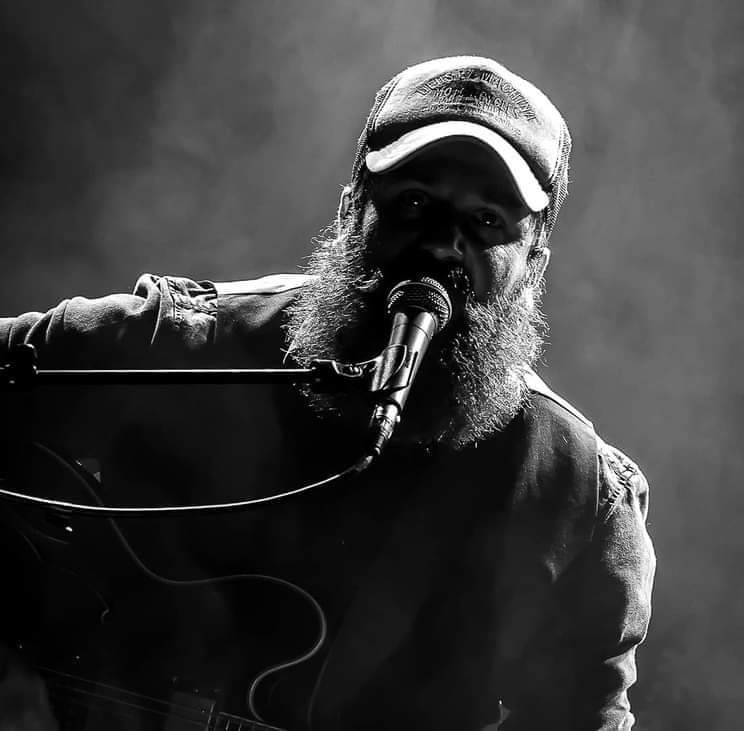
EN// Butch McKoy is a solitary man, sometimes joined by one or two companions.
Whether performing solo or as a duo (notably with Lionel Naudon of Lab° since 2015), Butch approaches the stage as an amplifier of the compositions found on his records. Escape, tension, bitterness, rage, melancholy, and hope all become heightened in performance. The audience is taken on a cathartic sonic journey.
Built around guitar, cello, banjo, harmonica, shamanic drums, and electronic machines, Butch McKoy’s music often invites a trance-like state. When asked about his beliefs, he notes that a certain form of spirituality—a faith in transcendence and purpose—has gradually emerged over the years.
How can his music be defined?
Listening to the voice—at times deep and resonant, at others ethereal—and to the arrangements, which shift from stripped-down folk to near-psychedelic rock and blues-infused landscapes, one hears echoes of Nick Cave, Six Organs of Admittance, Pink Floyd, and Wovenhand, as well as the vast expanses of the American landscape and the poetry of William Blake. The result feels like a constantly evolving dream set to music: a genuine journey shaped by twenty-five years of experience on stage and in the studio.
And since catharsis was mentioned earlier, it is worth noting that Butch is no stranger to the theatre. He composed and performed the music for several productions directed by David Bobée, including Lucrece Borgia by Victor Hugo (featuring Béatrice Dalle) and Peer Gynt by Henrik Ibsen (nearly five hours of music). He later collaborated with Radouan Leflahi on Claudel’s Le Partage de Midi, with choreographer Pierre Bolo for the dance solo Slide, with the circus company El Nucleo on their production Somos, and with the puppet theatre company Daru-Thémpô.
He also composed the score for Renaud de Foville’s short film Une Charogne, starring Béatrice Dalle and Virginie Despentes. His approach was heavily rooted in improvisation, reflecting a creative method that has become almost systematic throughout his work. Whatever the context or project, Butch has made spontaneous composition a defining modus operandi, with a strong attraction to long-form instrumental and cinematic pieces.